Buy liart.eu ?
We are moving the project
liart.eu .
Are you interested in purchasing the domain
liart.eu ?
domain@kv-gmbh.de · 0541-91531010
Buy liart.eu ?
What is community according to Aristotle?
According to Aristotle, community is a group of individuals who come together for the purpose of achieving a common goal or living a good life. He believed that humans are social beings who thrive in communities where they can develop virtues and fulfill their potential. Aristotle emphasized the importance of friendship and cooperation within a community, as he believed that it is through relationships with others that individuals can achieve true happiness and well-being. **
Why does man need community, Aristotle?
Aristotle believed that man needs community because humans are social beings by nature. He argued that individuals are not self-sufficient and require interaction with others to fulfill their potential and achieve happiness. Community provides a sense of belonging, support, and cooperation, which are essential for personal development and the common good. Aristotle also believed that living in a community allows individuals to cultivate virtues such as justice, friendship, and compassion, which are necessary for a flourishing society. **

Similar search terms for Aristotle
Top-Angebote
Products related to Aristotle:
-
Uplifted Finds The Control Circle Archetype Social Worker Empowerment Canvas Executive Office & Wellness Sanctuary Decor 13 X 18 Cm No Frame"Inaugurate a grounding ""MindfulnessSanctuary"" energy in your environment with our ""Control Circle"" Archetype Canvas. This premium Social Worker and Mental Health professional print is the ultimate designer solution for creating a ""ClinicalModern"" or..."41,97 $*Shipping: 0,00 $Secure redirect to the provider
-
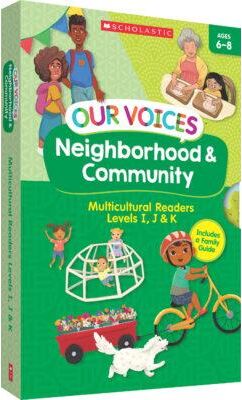
Our Voices: Neighborhood & Community Boxed SetFoster a feeling of belonging while building key reading skills with these colorful storybooks that spotlight a variety of neighborhoods and communities. The 10 charming stories feature characters from different cultural backgrounds who learn about...30,59 $*Shipping: 0,00 $Secure redirect to the provider
-
Jeffree Star Cosmetics Velour Liquid Lipstick liquid lipstick shade Gated Community 5.6 mlJeffree Star Cosmetics Velour Liquid Lipstick, 5.6 ml, Lipsticks for Women, Beautifully accentuated lips never go out of style. The Jeffree Star Cosmetics Velour Liquid Lipstick lipstick envelops the surface of your lips in a continuous layer of irresistible and rich colour, accentuating any makeup look perfectly, whether you’re heading to work, a meeting or a party. It allows you to emphasise your lips while also giving them the shape you want or a fuller look. In just a moment, it will give your lips a gorgeous colour and perfect shape, making them the centre of attention and irresistibly kissable. Characteristics: matte effect long-lasting washes out easily Ingredients: vegan product How to use: Apply lipstick to lips from the centre to the corners using gentle strokes.13,30 £*Shipping: 3,99 £Secure redirect to the provider



-
What is the community according to Aristotle?
According to Aristotle, the community is a group of individuals who come together for the purpose of living well and achieving a common good. He believed that humans are social beings who naturally form communities to fulfill their needs and develop their virtues. Aristotle viewed the community as essential for individuals to reach their full potential and lead a virtuous life. In his view, the community provides a framework for individuals to cultivate friendships, practice virtues, and engage in political life for the betterment of society. **
-
What is the concept of community according to Aristotle?
According to Aristotle, the concept of community is based on the idea of individuals coming together to form a society that is greater than the sum of its parts. He believed that humans are social animals who naturally seek to live in communities to fulfill their potential and achieve a good life. Aristotle emphasized the importance of shared values, common goals, and cooperation among members of a community in order to promote the well-being of all its members. He also believed that a strong sense of community fosters virtues such as justice, friendship, and solidarity among its members. **
-
What are the conceptions of human nature in Descartes, Plato, and Aristotle?
Descartes, a 17th-century philosopher, believed in the dualistic nature of human beings, separating the mind and body. He argued that the mind is a thinking, non-physical substance, while the body is a physical, non-thinking substance. Plato, an ancient Greek philosopher, believed in the immortality of the soul and the existence of a higher reality beyond the physical world. He saw humans as having a rational soul that seeks knowledge and truth. Aristotle, another ancient Greek philosopher, viewed humans as rational animals, emphasizing the importance of reason and virtue in human nature. He believed that humans have the potential for moral and intellectual development. **
-
How relevant is Aristotle today?
Aristotle's teachings and philosophies continue to be relevant today in various fields such as ethics, politics, and metaphysics. His ideas on virtue ethics, the importance of moderation, and the concept of the golden mean are still studied and applied in modern ethical discussions. Additionally, his works on logic and reasoning have had a lasting impact on the fields of philosophy and science. Overall, Aristotle's contributions to Western thought remain influential and continue to shape contemporary debates and discussions. **


What does Aristotle mean here?
In this quote, Aristotle is emphasizing the importance of developing good habits and character traits in order to achieve excellence. He is suggesting that excellence is not just a one-time act, but rather a result of consistent virtuous behavior. By cultivating virtuous habits, individuals can become excellent and achieve their full potential. Aristotle's emphasis on the importance of habits and character aligns with his broader ethical philosophy, which focuses on the development of moral virtues. **
What is the difference between the concepts of human nature in Aristotle and Plato?
Aristotle and Plato have different perspectives on human nature. Plato believed that humans have innate knowledge and that the soul is immortal, with the body being a temporary vessel. In contrast, Aristotle viewed humans as tabula rasa, meaning that we are born with a blank slate and acquire knowledge through experience. Additionally, Aristotle emphasized the importance of the body and the soul working together harmoniously, while Plato focused more on the separation between the physical and spiritual aspects of human nature. **
Top-Angebote
Products related to Aristotle:
-
Simon & Schuster The Aristotle and Dante Collection (Boxed Set): Aristotle and Dante Discover the Secrets of the Universe; Aristotle and Dante Dive Into the Waters ofBoth the critically acclaimed, multiple award-winning Aristotle and Dante Discover the Secrets of the Universe and its highly anticipated sequel Aristotle and Dante Dive into the Waters of the World in one collectible paperback boxed set. When Aristotle and Dante met that one summer at their local swimming pool, they had no way of knowing they would change each other's lives forever. Together, they discover that they share a special bond--the kind that changes lives and lasts a lifetime--and tackle the most important truths about themselves and the kind of people they want to be. After opening themselves up to love, they must learn what it means to stay in love--and to build their relationship against the backdrop of the AIDS epidemic in 1980s America, in a world that doesn't seem to want them to exist. To Ari, tragedy feels like his destiny, but can he forge his own path and create a life where he can not only survive, but thrive? This achingly honest boxed set includes: Aristotle and Dante Discover the Secrets of the Universe Aristotle and Dante Dive into the Waters of the World13,99 £*Shipping: 2,99 £Secure redirect to the provider
-
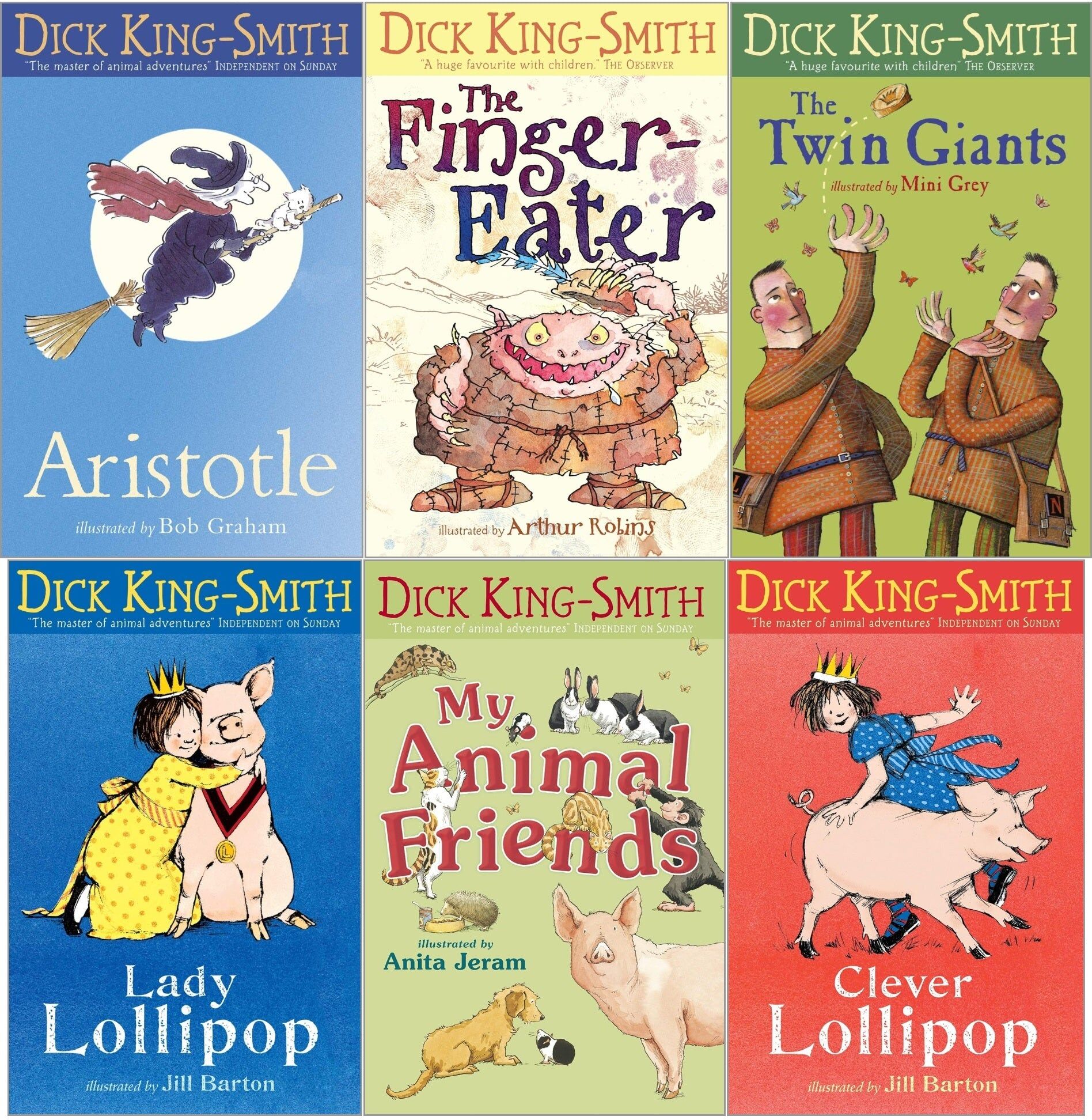
Walker Books Dick King-Smith Children's Stories 6 Books Collection Set (My Animal Friends, Clever Lollipop, Lady Lollipop, Aristotle, The Twin Giants, The Finger-EDick King-Smith Children's Stories 6 Books Collection Set (My Animal Friends, Clever Lollipop, Lady Lollipop, Aristotle, The Twin Giants, The Finger-Eater) My Animal Friends With an autobiographical foreword from the author, this collection traces Dick King-Smith’s journey from boy to farmer, from soldier to favourite children’s author – always in the company of his irrepressible animal friends. From Dodo the film-star Daschund to a cabbage-eating shark; from a night of badger-biffing to a tortie cat with one hundred and four kittens; from the cat who thinks he’s one of the dogs to a dog who fosters orphaned kittens … wherever Dick King-Smith goes, curious animals are sure to follow. So find a cosy spot, curl up by the fireside and feel the glow of that old Dick King-Smith animal magic – purrrrrrrrrr. Clever Lollipop Lady Lollipop is no ordinary pig. She lives in the royal palace with Princess Penelope and the King and Queen - and she's very clever. She's very good at solving other people's problems too. But when she needs a little magical help herself, it's time to call in the amazing Collie Cob, the Conjuror! Lady Lollipop Lollipop is no ordinary pig. According to her young owner Johnny Skinner, she's the cleverest pig in the whole kingdom. When people stare into Lollipop's bright, intelligent eyes, it seems to change them for the better. But will Lollipop win over spoilt Princess Penelope - and the King and Queen? Aristotle Aristotle is a bold little cat who is always getting himself into danger. He lives with a good witch called Bella Donna who thinks he'll make a proper witch's cat one day - if he can live long enough. Like all cats, Aristotle has nine lives - and he needs every single one of them. The Twin Giants A brand-new format for this comic tale, which follows two tall brothers on their search for true love. Lottavim and Normus do everything together: waking up, going to sleep, even sneezing. So when they reach the age of twenty and the height of twelve feet, it's not surprising that they each think the same thought at exactly the same time: "It's about time I found a wife!" But is it possible to find not one but two of the giantesses of your dreams? The Finger-Eater Long ago, in the cold lands of the North, there lived a troll named Ulf who had a very bad habit – he liked to eat fingers! Many, many men, women and children had found their hands a finger short thanks to the razor-sharp teeth of the Finger-eater. And who knows how many more might have suffered the same fate if it hadn't been for the actions of a resolute girl called Gudrun!8,99 £*Shipping: 2,99 £Secure redirect to the provider
-
Uplifted Finds The Control Circle Archetype Social Worker Empowerment Canvas Executive Office & Wellness Sanctuary Decor 13 X 18 Cm No Frame"Inaugurate a grounding ""MindfulnessSanctuary"" energy in your environment with our ""Control Circle"" Archetype Canvas. This premium Social Worker and Mental Health professional print is the ultimate designer solution for creating a ""ClinicalModern"" or..."41,97 $*Shipping: 0,00 $Secure redirect to the provider
-
Our Voices: Neighborhood & Community Boxed SetFoster a feeling of belonging while building key reading skills with these colorful storybooks that spotlight a variety of neighborhoods and communities. The 10 charming stories feature characters from different cultural backgrounds who learn about...30,59 $*Shipping: 0,00 $Secure redirect to the provider
-
What is community according to Aristotle?
According to Aristotle, community is a group of individuals who come together for the purpose of achieving a common goal or living a good life. He believed that humans are social beings who thrive in communities where they can develop virtues and fulfill their potential. Aristotle emphasized the importance of friendship and cooperation within a community, as he believed that it is through relationships with others that individuals can achieve true happiness and well-being. **
-
Why does man need community, Aristotle?
Aristotle believed that man needs community because humans are social beings by nature. He argued that individuals are not self-sufficient and require interaction with others to fulfill their potential and achieve happiness. Community provides a sense of belonging, support, and cooperation, which are essential for personal development and the common good. Aristotle also believed that living in a community allows individuals to cultivate virtues such as justice, friendship, and compassion, which are necessary for a flourishing society. **
-
What is the community according to Aristotle?
According to Aristotle, the community is a group of individuals who come together for the purpose of living well and achieving a common good. He believed that humans are social beings who naturally form communities to fulfill their needs and develop their virtues. Aristotle viewed the community as essential for individuals to reach their full potential and lead a virtuous life. In his view, the community provides a framework for individuals to cultivate friendships, practice virtues, and engage in political life for the betterment of society. **
-
What is the concept of community according to Aristotle?
According to Aristotle, the concept of community is based on the idea of individuals coming together to form a society that is greater than the sum of its parts. He believed that humans are social animals who naturally seek to live in communities to fulfill their potential and achieve a good life. Aristotle emphasized the importance of shared values, common goals, and cooperation among members of a community in order to promote the well-being of all its members. He also believed that a strong sense of community fosters virtues such as justice, friendship, and solidarity among its members. **
Similar search terms for Aristotle
-
Jeffree Star Cosmetics Velour Liquid Lipstick liquid lipstick shade Gated Community 5.6 mlJeffree Star Cosmetics Velour Liquid Lipstick, 5.6 ml, Lipsticks for Women, Beautifully accentuated lips never go out of style. The Jeffree Star Cosmetics Velour Liquid Lipstick lipstick envelops the surface of your lips in a continuous layer of irresistible and rich colour, accentuating any makeup look perfectly, whether you’re heading to work, a meeting or a party. It allows you to emphasise your lips while also giving them the shape you want or a fuller look. In just a moment, it will give your lips a gorgeous colour and perfect shape, making them the centre of attention and irresistibly kissable. Characteristics: matte effect long-lasting washes out easily Ingredients: vegan product How to use: Apply lipstick to lips from the centre to the corners using gentle strokes.13,30 £*Shipping: 3,99 £Secure redirect to the provider
-
HARPERCOLLINS Creative Confidence by Tom & David Kelley – Unleashing Your Creative Potential & Innovation MindsetA powerful and inspiring book from the founders of IDEO, the award-winning design firm, on unleashing the creativity that lies within each and every one of us. Too often, companies and individuals assume that creativity and innovation are the domain of the ‘creative types’. But two of the foremost experts in innovation, design and creativity on the planet show us that each and every one of us is creative. In an entertaining and inspiring narrative that draws on countless stories from their work at IDEO, and with many of the world's top companies and design firms, David and Tom Kelley identify the principles and strategies that will allow us to tap into our creative potential in our work lives, and in our personal lives, allow us to think outside the box in terms of how we approach and solve problems. ‘Creative Confidence’ is a book that will help each of us be more productive and successful in our lives and in our careers.4,95 £*Shipping: 1,99 £Secure redirect to the provider
-
What are the conceptions of human nature in Descartes, Plato, and Aristotle?
Descartes, a 17th-century philosopher, believed in the dualistic nature of human beings, separating the mind and body. He argued that the mind is a thinking, non-physical substance, while the body is a physical, non-thinking substance. Plato, an ancient Greek philosopher, believed in the immortality of the soul and the existence of a higher reality beyond the physical world. He saw humans as having a rational soul that seeks knowledge and truth. Aristotle, another ancient Greek philosopher, viewed humans as rational animals, emphasizing the importance of reason and virtue in human nature. He believed that humans have the potential for moral and intellectual development. **
-
How relevant is Aristotle today?
Aristotle's teachings and philosophies continue to be relevant today in various fields such as ethics, politics, and metaphysics. His ideas on virtue ethics, the importance of moderation, and the concept of the golden mean are still studied and applied in modern ethical discussions. Additionally, his works on logic and reasoning have had a lasting impact on the fields of philosophy and science. Overall, Aristotle's contributions to Western thought remain influential and continue to shape contemporary debates and discussions. **
-
What does Aristotle mean here?
In this quote, Aristotle is emphasizing the importance of developing good habits and character traits in order to achieve excellence. He is suggesting that excellence is not just a one-time act, but rather a result of consistent virtuous behavior. By cultivating virtuous habits, individuals can become excellent and achieve their full potential. Aristotle's emphasis on the importance of habits and character aligns with his broader ethical philosophy, which focuses on the development of moral virtues. **
-
What is the difference between the concepts of human nature in Aristotle and Plato?
Aristotle and Plato have different perspectives on human nature. Plato believed that humans have innate knowledge and that the soul is immortal, with the body being a temporary vessel. In contrast, Aristotle viewed humans as tabula rasa, meaning that we are born with a blank slate and acquire knowledge through experience. Additionally, Aristotle emphasized the importance of the body and the soul working together harmoniously, while Plato focused more on the separation between the physical and spiritual aspects of human nature. **
* All prices are inclusive of VAT and, if applicable, plus shipping costs. The offer information is based on the details provided by the respective shop and is updated through automated processes. Real-time updates do not occur, so deviations can occur in individual cases. ** Note: Parts of this content were created by AI.