Buy liart.eu ?
We are moving the project
liart.eu .
Are you interested in purchasing the domain
liart.eu ?
domain@kv-gmbh.de · 0541-91531010
Buy liart.eu ?
How do non-homologous recombination and homologous recombination work?
Non-homologous recombination involves the joining of two DNA molecules at non-homologous sequences, resulting in the insertion, deletion, or rearrangement of genetic material. This process is often error-prone and can lead to mutations. Homologous recombination, on the other hand, involves the exchange of genetic material between two similar DNA molecules, typically occurring during meiosis. This process is important for repairing DNA damage and ensuring genetic diversity. It involves the exchange of genetic material between homologous chromosomes, resulting in the formation of new combinations of genes. **
Are modifications homologous?
Modifications can be homologous if they are derived from a common ancestral modification and have similar functions in different species. For example, the presence of similar modifications in the wings of bats and birds, both of which enable flight, suggests homology. However, modifications can also be analogous, meaning they have similar functions but are not derived from a common ancestor. An example of analogous modifications is the wings of birds and insects, which have different evolutionary origins but serve the same function of flight. **
Similar search terms for Homologous
Top-Angebote
Products related to Homologous:
-
Jeffree Star Cosmetics Velour Liquid Lipstick liquid lipstick shade Gated Community 5.6 mlJeffree Star Cosmetics Velour Liquid Lipstick, 5.6 ml, Lipsticks for Women, Beautifully accentuated lips never go out of style. The Jeffree Star Cosmetics Velour Liquid Lipstick lipstick envelops the surface of your lips in a continuous layer of irresistible and rich colour, accentuating any makeup look perfectly, whether you’re heading to work, a meeting or a party. It allows you to emphasise your lips while also giving them the shape you want or a fuller look. In just a moment, it will give your lips a gorgeous colour and perfect shape, making them the centre of attention and irresistibly kissable. Characteristics: matte effect long-lasting washes out easily Ingredients: vegan product How to use: Apply lipstick to lips from the centre to the corners using gentle strokes.13,30 £*Shipping: 3,99 £Secure redirect to the provider
-
HARPERCOLLINS Creative Confidence by Tom & David Kelley – Unleashing Your Creative Potential & Innovation MindsetA powerful and inspiring book from the founders of IDEO, the award-winning design firm, on unleashing the creativity that lies within each and every one of us. Too often, companies and individuals assume that creativity and innovation are the domain of the ‘creative types’. But two of the foremost experts in innovation, design and creativity on the planet show us that each and every one of us is creative. In an entertaining and inspiring narrative that draws on countless stories from their work at IDEO, and with many of the world's top companies and design firms, David and Tom Kelley identify the principles and strategies that will allow us to tap into our creative potential in our work lives, and in our personal lives, allow us to think outside the box in terms of how we approach and solve problems. ‘Creative Confidence’ is a book that will help each of us be more productive and successful in our lives and in our careers.4,95 £*Shipping: 1,99 £Secure redirect to the provider


-
Why are bird feathers homologous?
Bird feathers are homologous because they all share a common evolutionary origin. They are derived from the same structure in the common ancestor of all birds. Despite the variations in size, shape, and color, bird feathers all serve the same fundamental purpose of providing insulation, aiding in flight, and attracting mates. This shared ancestry and function make bird feathers homologous structures. **
-
Can non-homologous chromosomes cross over?
No, non-homologous chromosomes cannot undergo crossing over during meiosis. Crossing over is a process that involves the exchange of genetic material between homologous chromosomes, which are chromosomes that are similar in size, shape, and gene content. Non-homologous chromosomes do not have the necessary similarity in order to undergo crossing over. **
-
Are Maybugs analogous or homologous animals?
Maybugs, also known as cockchafers, are not analogous or homologous to any other animals. They are a unique species of beetle belonging to the family Scarabaeidae. Analogous structures are similar in function but not in structure or evolutionary origin, while homologous structures are similar in structure and evolutionary origin but not necessarily in function. Maybugs do not share these similarities with any other animals, making them a distinct and separate species. **
-
Which homologous organs exist in plants?
Homologous organs in plants are structures that have a common evolutionary origin but may have different functions. Examples of homologous organs in plants include the various types of leaves, such as simple leaves, compound leaves, and scale leaves, which all have a common origin but serve different functions in different plant species. Another example is the different types of flowers, which have a common origin but may have evolved to attract different pollinators or serve different reproductive strategies. Additionally, the various types of stems, such as rhizomes, stolons, and tubers, are also considered homologous organs in plants. **


Are bat wings homologous or analogous?
Bat wings are homologous structures, meaning they share a common evolutionary origin with the wings of other mammals, such as humans and whales. This suggests that bats, humans, and whales all inherited their limb structure from a common ancestor. In contrast, analogous structures are those that have similar functions but different evolutionary origins, such as the wings of birds and insects. **
How do you arrange a homologous series?
To arrange a homologous series, you would start by identifying a common functional group or structural feature that is repeated in each compound. Then, you would organize the compounds in the series based on increasing molecular size or increasing number of repeating units of the functional group. This could involve arranging the compounds in order of increasing carbon chain length, increasing number of double bonds, or increasing number of functional groups. By organizing the compounds in this way, you can easily compare their properties and trends across the series. **
Top-Angebote
Products related to Homologous:
-
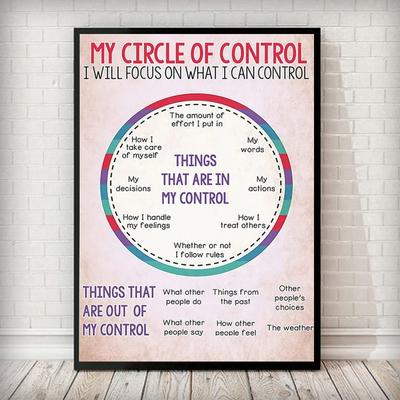
Uplifted Finds The Control Circle Archetype Social Worker Empowerment Canvas Executive Office & Wellness Sanctuary Decor 13 X 18 Cm No Frame"Inaugurate a grounding ""MindfulnessSanctuary"" energy in your environment with our ""Control Circle"" Archetype Canvas. This premium Social Worker and Mental Health professional print is the ultimate designer solution for creating a ""ClinicalModern"" or..."41,97 $*Shipping: 0,00 $Secure redirect to the provider
-
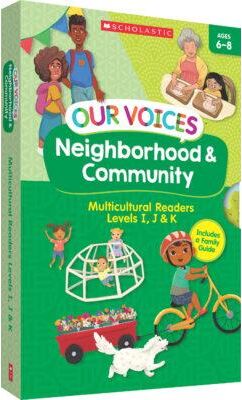
Our Voices: Neighborhood & Community Boxed SetFoster a feeling of belonging while building key reading skills with these colorful storybooks that spotlight a variety of neighborhoods and communities. The 10 charming stories feature characters from different cultural backgrounds who learn about...30,59 $*Shipping: 0,00 $Secure redirect to the provider
-
Jeffree Star Cosmetics Velour Liquid Lipstick liquid lipstick shade Gated Community 5.6 mlJeffree Star Cosmetics Velour Liquid Lipstick, 5.6 ml, Lipsticks for Women, Beautifully accentuated lips never go out of style. The Jeffree Star Cosmetics Velour Liquid Lipstick lipstick envelops the surface of your lips in a continuous layer of irresistible and rich colour, accentuating any makeup look perfectly, whether you’re heading to work, a meeting or a party. It allows you to emphasise your lips while also giving them the shape you want or a fuller look. In just a moment, it will give your lips a gorgeous colour and perfect shape, making them the centre of attention and irresistibly kissable. Characteristics: matte effect long-lasting washes out easily Ingredients: vegan product How to use: Apply lipstick to lips from the centre to the corners using gentle strokes.13,30 £*Shipping: 3,99 £Secure redirect to the provider
-
How do non-homologous recombination and homologous recombination work?
Non-homologous recombination involves the joining of two DNA molecules at non-homologous sequences, resulting in the insertion, deletion, or rearrangement of genetic material. This process is often error-prone and can lead to mutations. Homologous recombination, on the other hand, involves the exchange of genetic material between two similar DNA molecules, typically occurring during meiosis. This process is important for repairing DNA damage and ensuring genetic diversity. It involves the exchange of genetic material between homologous chromosomes, resulting in the formation of new combinations of genes. **
-
Are modifications homologous?
Modifications can be homologous if they are derived from a common ancestral modification and have similar functions in different species. For example, the presence of similar modifications in the wings of bats and birds, both of which enable flight, suggests homology. However, modifications can also be analogous, meaning they have similar functions but are not derived from a common ancestor. An example of analogous modifications is the wings of birds and insects, which have different evolutionary origins but serve the same function of flight. **
-
Why are bird feathers homologous?
Bird feathers are homologous because they all share a common evolutionary origin. They are derived from the same structure in the common ancestor of all birds. Despite the variations in size, shape, and color, bird feathers all serve the same fundamental purpose of providing insulation, aiding in flight, and attracting mates. This shared ancestry and function make bird feathers homologous structures. **
-
Can non-homologous chromosomes cross over?
No, non-homologous chromosomes cannot undergo crossing over during meiosis. Crossing over is a process that involves the exchange of genetic material between homologous chromosomes, which are chromosomes that are similar in size, shape, and gene content. Non-homologous chromosomes do not have the necessary similarity in order to undergo crossing over. **
Similar search terms for Homologous
-
HARPERCOLLINS Creative Confidence by Tom & David Kelley – Unleashing Your Creative Potential & Innovation MindsetA powerful and inspiring book from the founders of IDEO, the award-winning design firm, on unleashing the creativity that lies within each and every one of us. Too often, companies and individuals assume that creativity and innovation are the domain of the ‘creative types’. But two of the foremost experts in innovation, design and creativity on the planet show us that each and every one of us is creative. In an entertaining and inspiring narrative that draws on countless stories from their work at IDEO, and with many of the world's top companies and design firms, David and Tom Kelley identify the principles and strategies that will allow us to tap into our creative potential in our work lives, and in our personal lives, allow us to think outside the box in terms of how we approach and solve problems. ‘Creative Confidence’ is a book that will help each of us be more productive and successful in our lives and in our careers.4,95 £*Shipping: 1,99 £Secure redirect to the provider
-
The Picturepedia Box 10 Books Collection Set by DK – Science, Nature & Educational Discovery Collection for KidsTitles in this set: The Picturepedia Box Science Protons to Planets Science Technology to Trains Nature Fossils To Flowers Nature Fish to Birds Nature Horses to Habitats Geography Coastlines to Climate Culture Art to Achitecture Culture Sports to Hobbies History Villages to Empires History Explorations to Espionage19,95 £*Shipping: 2,99 £Secure redirect to the provider
-
Are Maybugs analogous or homologous animals?
Maybugs, also known as cockchafers, are not analogous or homologous to any other animals. They are a unique species of beetle belonging to the family Scarabaeidae. Analogous structures are similar in function but not in structure or evolutionary origin, while homologous structures are similar in structure and evolutionary origin but not necessarily in function. Maybugs do not share these similarities with any other animals, making them a distinct and separate species. **
-
Which homologous organs exist in plants?
Homologous organs in plants are structures that have a common evolutionary origin but may have different functions. Examples of homologous organs in plants include the various types of leaves, such as simple leaves, compound leaves, and scale leaves, which all have a common origin but serve different functions in different plant species. Another example is the different types of flowers, which have a common origin but may have evolved to attract different pollinators or serve different reproductive strategies. Additionally, the various types of stems, such as rhizomes, stolons, and tubers, are also considered homologous organs in plants. **
-
Are bat wings homologous or analogous?
Bat wings are homologous structures, meaning they share a common evolutionary origin with the wings of other mammals, such as humans and whales. This suggests that bats, humans, and whales all inherited their limb structure from a common ancestor. In contrast, analogous structures are those that have similar functions but different evolutionary origins, such as the wings of birds and insects. **
-
How do you arrange a homologous series?
To arrange a homologous series, you would start by identifying a common functional group or structural feature that is repeated in each compound. Then, you would organize the compounds in the series based on increasing molecular size or increasing number of repeating units of the functional group. This could involve arranging the compounds in order of increasing carbon chain length, increasing number of double bonds, or increasing number of functional groups. By organizing the compounds in this way, you can easily compare their properties and trends across the series. **
* All prices are inclusive of VAT and, if applicable, plus shipping costs. The offer information is based on the details provided by the respective shop and is updated through automated processes. Real-time updates do not occur, so deviations can occur in individual cases. ** Note: Parts of this content were created by AI.