Buy liart.eu ?
We are moving the project
liart.eu .
Are you interested in purchasing the domain
liart.eu ?
domain@kv-gmbh.de · 0541-91531010
Buy liart.eu ?
What is river hydroelectric power?
River hydroelectric power is a renewable energy source that harnesses the energy of flowing water in rivers to generate electricity. It involves the construction of a dam or a diversion structure to control the flow of water, which is then channeled through turbines to produce electricity. This process is environmentally friendly and sustainable, as it does not produce greenhouse gas emissions and relies on the natural flow of water. River hydroelectric power is a reliable and efficient source of energy, providing electricity to communities and industries around the world. **
What is the difference between run-of-river hydroelectric power plants and storage hydroelectric power plants?
Run-of-river hydroelectric power plants generate electricity using the natural flow of a river, without the need for a large reservoir. They typically have a smaller environmental impact and are more sustainable, as they do not disrupt the natural flow of the river. On the other hand, storage hydroelectric power plants use a dam to create a reservoir, which allows for the storage of water and the generation of electricity on demand. This type of plant can provide a more consistent and reliable source of power, but it can also have a larger environmental impact due to the creation of the reservoir. **


Similar search terms for Hydroelectric
Top-Angebote
Products related to Hydroelectric:
-
HARPERCOLLINS Creative Confidence by Tom & David Kelley – Unleashing Your Creative Potential & Innovation MindsetA powerful and inspiring book from the founders of IDEO, the award-winning design firm, on unleashing the creativity that lies within each and every one of us. Too often, companies and individuals assume that creativity and innovation are the domain of the ‘creative types’. But two of the foremost experts in innovation, design and creativity on the planet show us that each and every one of us is creative. In an entertaining and inspiring narrative that draws on countless stories from their work at IDEO, and with many of the world's top companies and design firms, David and Tom Kelley identify the principles and strategies that will allow us to tap into our creative potential in our work lives, and in our personal lives, allow us to think outside the box in terms of how we approach and solve problems. ‘Creative Confidence’ is a book that will help each of us be more productive and successful in our lives and in our careers.4,95 £*Shipping: 1,99 £Secure redirect to the provider
-
The Picturepedia Box 10 Books Collection Set by DK – Science, Nature & Educational Discovery Collection for KidsTitles in this set: The Picturepedia Box Science Protons to Planets Science Technology to Trains Nature Fossils To Flowers Nature Fish to Birds Nature Horses to Habitats Geography Coastlines to Climate Culture Art to Achitecture Culture Sports to Hobbies History Villages to Empires History Explorations to Espionage19,95 £*Shipping: 2,99 £Secure redirect to the provider




-
Who invented the pumped storage hydroelectric power plant?
The concept of pumped storage hydroelectric power plants was first developed by the Swiss engineer, Eduard Stamm, in the 1890s. However, the first operational pumped storage plant was built in 1929 in Switzerland by the engineer Ludwig Kuhn. This innovative technology allows for the storage of excess electricity by using it to pump water to a higher reservoir, which can then be released to generate electricity when demand is high. **
-
What is the history of hydroelectric power plants?
Hydroelectric power plants have a long history dating back to ancient times when water wheels were used to grind grain and perform other tasks. The first modern hydroelectric power plant was built in 1882 in Appleton, Wisconsin, and was used to provide electricity to a paper mill. The development of hydroelectric power plants accelerated in the 20th century, with the construction of large-scale facilities such as the Hoover Dam in the United States and the Three Gorges Dam in China. Today, hydroelectric power is a significant source of renewable energy, providing electricity to millions of people around the world. **
-
Can someone be pulled into a hydroelectric lock?
No, someone cannot be pulled into a hydroelectric lock. Hydroelectric locks are structures used to raise or lower boats between different water levels in a river or canal. They are designed with safety features to prevent people from being pulled into them, such as gates and warning signs. Additionally, the water flow in a hydroelectric lock is controlled, making it unlikely for someone to be pulled in. **
-
What are the locations of hydroelectric power plants?
Hydroelectric power plants are typically located near rivers, streams, or other bodies of water with a significant elevation drop. This allows for the construction of a dam or other infrastructure to capture the energy of the flowing water and convert it into electricity. Many hydroelectric power plants are found in mountainous regions or areas with abundant rainfall, as these conditions provide the necessary water flow and elevation difference to generate power. Additionally, some hydroelectric power plants are built in conjunction with existing dams or reservoirs to take advantage of the stored water's potential energy. **

Which locations are suitable for hydroelectric power plants?
Locations suitable for hydroelectric power plants are typically near rivers or other bodies of water with a consistent flow. Areas with a significant elevation drop, such as mountainous regions, are also ideal for hydroelectric power generation. Additionally, regions with high annual rainfall or snowmelt can provide a consistent water supply for hydroelectric plants. Overall, locations with a combination of water flow, elevation change, and water availability are most suitable for hydroelectric power plants. **
What is a pumped storage hydroelectric power station?
A pumped storage hydroelectric power station is a type of hydroelectric power plant that stores energy by pumping water from a lower reservoir to an upper reservoir during times of low electricity demand. When electricity demand is high, the water is released from the upper reservoir to the lower reservoir, passing through turbines to generate electricity. This process allows the power station to quickly respond to changes in electricity demand and provide a reliable source of energy storage for the grid. **
Top-Angebote
Products related to Hydroelectric:
-
Uplifted Finds The Control Circle Archetype Social Worker Empowerment Canvas Executive Office & Wellness Sanctuary Decor 13 X 18 Cm No Frame"Inaugurate a grounding ""MindfulnessSanctuary"" energy in your environment with our ""Control Circle"" Archetype Canvas. This premium Social Worker and Mental Health professional print is the ultimate designer solution for creating a ""ClinicalModern"" or..."41,97 $*Shipping: 0,00 $Secure redirect to the provider
-
Our Voices: Neighborhood & Community Boxed SetFoster a feeling of belonging while building key reading skills with these colorful storybooks that spotlight a variety of neighborhoods and communities. The 10 charming stories feature characters from different cultural backgrounds who learn about...30,59 $*Shipping: 0,00 $Secure redirect to the provider
-
HARPERCOLLINS Creative Confidence by Tom & David Kelley – Unleashing Your Creative Potential & Innovation MindsetA powerful and inspiring book from the founders of IDEO, the award-winning design firm, on unleashing the creativity that lies within each and every one of us. Too often, companies and individuals assume that creativity and innovation are the domain of the ‘creative types’. But two of the foremost experts in innovation, design and creativity on the planet show us that each and every one of us is creative. In an entertaining and inspiring narrative that draws on countless stories from their work at IDEO, and with many of the world's top companies and design firms, David and Tom Kelley identify the principles and strategies that will allow us to tap into our creative potential in our work lives, and in our personal lives, allow us to think outside the box in terms of how we approach and solve problems. ‘Creative Confidence’ is a book that will help each of us be more productive and successful in our lives and in our careers.4,95 £*Shipping: 1,99 £Secure redirect to the provider
-
What is river hydroelectric power?
River hydroelectric power is a renewable energy source that harnesses the energy of flowing water in rivers to generate electricity. It involves the construction of a dam or a diversion structure to control the flow of water, which is then channeled through turbines to produce electricity. This process is environmentally friendly and sustainable, as it does not produce greenhouse gas emissions and relies on the natural flow of water. River hydroelectric power is a reliable and efficient source of energy, providing electricity to communities and industries around the world. **
-
What is the difference between run-of-river hydroelectric power plants and storage hydroelectric power plants?
Run-of-river hydroelectric power plants generate electricity using the natural flow of a river, without the need for a large reservoir. They typically have a smaller environmental impact and are more sustainable, as they do not disrupt the natural flow of the river. On the other hand, storage hydroelectric power plants use a dam to create a reservoir, which allows for the storage of water and the generation of electricity on demand. This type of plant can provide a more consistent and reliable source of power, but it can also have a larger environmental impact due to the creation of the reservoir. **
-
Who invented the pumped storage hydroelectric power plant?
The concept of pumped storage hydroelectric power plants was first developed by the Swiss engineer, Eduard Stamm, in the 1890s. However, the first operational pumped storage plant was built in 1929 in Switzerland by the engineer Ludwig Kuhn. This innovative technology allows for the storage of excess electricity by using it to pump water to a higher reservoir, which can then be released to generate electricity when demand is high. **
-
What is the history of hydroelectric power plants?
Hydroelectric power plants have a long history dating back to ancient times when water wheels were used to grind grain and perform other tasks. The first modern hydroelectric power plant was built in 1882 in Appleton, Wisconsin, and was used to provide electricity to a paper mill. The development of hydroelectric power plants accelerated in the 20th century, with the construction of large-scale facilities such as the Hoover Dam in the United States and the Three Gorges Dam in China. Today, hydroelectric power is a significant source of renewable energy, providing electricity to millions of people around the world. **
Similar search terms for Hydroelectric
-
The Picturepedia Box 10 Books Collection Set by DK – Science, Nature & Educational Discovery Collection for KidsTitles in this set: The Picturepedia Box Science Protons to Planets Science Technology to Trains Nature Fossils To Flowers Nature Fish to Birds Nature Horses to Habitats Geography Coastlines to Climate Culture Art to Achitecture Culture Sports to Hobbies History Villages to Empires History Explorations to Espionage19,95 £*Shipping: 2,99 £Secure redirect to the provider
-
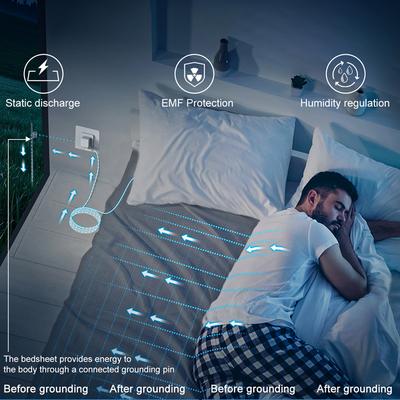
GlowBake Astarexin Earthing Fitted Sheet, Organic Cotton Grounding Bed Sheet With Conductive Silver Fiber For Nature Wellness white king Size us PlugExperience Natural Wellness with the Astarexin Earthing Fitted SheetTired of restless nights and constant fatigue The Astarexin Earthing Fitted Sheet is designed to reconnect you with Earths natural energy, promoting deeper sleep, reduced stress,...150,97 $*Shipping: 0,00 $Secure redirect to the provider
-
Can someone be pulled into a hydroelectric lock?
No, someone cannot be pulled into a hydroelectric lock. Hydroelectric locks are structures used to raise or lower boats between different water levels in a river or canal. They are designed with safety features to prevent people from being pulled into them, such as gates and warning signs. Additionally, the water flow in a hydroelectric lock is controlled, making it unlikely for someone to be pulled in. **
-
What are the locations of hydroelectric power plants?
Hydroelectric power plants are typically located near rivers, streams, or other bodies of water with a significant elevation drop. This allows for the construction of a dam or other infrastructure to capture the energy of the flowing water and convert it into electricity. Many hydroelectric power plants are found in mountainous regions or areas with abundant rainfall, as these conditions provide the necessary water flow and elevation difference to generate power. Additionally, some hydroelectric power plants are built in conjunction with existing dams or reservoirs to take advantage of the stored water's potential energy. **
-
Which locations are suitable for hydroelectric power plants?
Locations suitable for hydroelectric power plants are typically near rivers or other bodies of water with a consistent flow. Areas with a significant elevation drop, such as mountainous regions, are also ideal for hydroelectric power generation. Additionally, regions with high annual rainfall or snowmelt can provide a consistent water supply for hydroelectric plants. Overall, locations with a combination of water flow, elevation change, and water availability are most suitable for hydroelectric power plants. **
-
What is a pumped storage hydroelectric power station?
A pumped storage hydroelectric power station is a type of hydroelectric power plant that stores energy by pumping water from a lower reservoir to an upper reservoir during times of low electricity demand. When electricity demand is high, the water is released from the upper reservoir to the lower reservoir, passing through turbines to generate electricity. This process allows the power station to quickly respond to changes in electricity demand and provide a reliable source of energy storage for the grid. **
* All prices are inclusive of VAT and, if applicable, plus shipping costs. The offer information is based on the details provided by the respective shop and is updated through automated processes. Real-time updates do not occur, so deviations can occur in individual cases. ** Note: Parts of this content were created by AI.