Buy liart.eu ?
We are moving the project
liart.eu .
Are you interested in purchasing the domain
liart.eu ?
domain@kv-gmbh.de · 0541-91531010
Buy liart.eu ?
What does external economic liberalization mean?
External economic liberalization refers to the opening up of a country's economy to international trade and investment. This involves reducing barriers such as tariffs, quotas, and restrictions on foreign ownership, in order to promote economic growth and increase competitiveness. By allowing for greater participation in the global economy, external economic liberalization can lead to increased foreign investment, technology transfer, and access to new markets. However, it can also expose domestic industries to more competition, which may require adjustments and reforms to remain competitive. **
What exactly is meant by market liberalization?
Market liberalization refers to the process of reducing government regulations and restrictions on economic activities, particularly in the context of trade and commerce. This typically involves opening up markets to competition, removing barriers to entry for new businesses, and allowing prices to be determined by supply and demand forces. The goal of market liberalization is to promote efficiency, innovation, and economic growth by creating a more competitive and dynamic business environment. **

Similar search terms for Liberalization
Top-Angebote
Products related to Liberalization:
-
Jeffree Star Cosmetics Velour Liquid Lipstick liquid lipstick shade Gated Community 5.6 mlJeffree Star Cosmetics Velour Liquid Lipstick, 5.6 ml, Lipsticks for Women, Beautifully accentuated lips never go out of style. The Jeffree Star Cosmetics Velour Liquid Lipstick lipstick envelops the surface of your lips in a continuous layer of irresistible and rich colour, accentuating any makeup look perfectly, whether you’re heading to work, a meeting or a party. It allows you to emphasise your lips while also giving them the shape you want or a fuller look. In just a moment, it will give your lips a gorgeous colour and perfect shape, making them the centre of attention and irresistibly kissable. Characteristics: matte effect long-lasting washes out easily Ingredients: vegan product How to use: Apply lipstick to lips from the centre to the corners using gentle strokes.13,30 £*Shipping: 3,99 £Secure redirect to the provider
-
HARPERCOLLINS Creative Confidence by Tom & David Kelley – Unleashing Your Creative Potential & Innovation MindsetA powerful and inspiring book from the founders of IDEO, the award-winning design firm, on unleashing the creativity that lies within each and every one of us. Too often, companies and individuals assume that creativity and innovation are the domain of the ‘creative types’. But two of the foremost experts in innovation, design and creativity on the planet show us that each and every one of us is creative. In an entertaining and inspiring narrative that draws on countless stories from their work at IDEO, and with many of the world's top companies and design firms, David and Tom Kelley identify the principles and strategies that will allow us to tap into our creative potential in our work lives, and in our personal lives, allow us to think outside the box in terms of how we approach and solve problems. ‘Creative Confidence’ is a book that will help each of us be more productive and successful in our lives and in our careers.4,95 £*Shipping: 1,99 £Secure redirect to the provider



-
What is the difference between liberalization and deregulation?
Liberalization refers to the opening up of markets to increased competition and reducing barriers to entry for new players. It aims to increase efficiency and innovation in industries by allowing more players to participate. On the other hand, deregulation specifically refers to the removal or reduction of government regulations and controls in a particular industry. While liberalization focuses on increasing competition, deregulation focuses on reducing government intervention and control in an industry. **
-
What does the liberalization of financial markets mean?
The liberalization of financial markets refers to the process of removing restrictions and regulations on the flow of capital and financial transactions. This allows for greater participation of foreign investors, increased competition, and more efficient allocation of resources. Liberalization can lead to increased economic growth, as it allows for easier access to capital and investment opportunities. However, it can also make markets more volatile and susceptible to external shocks. **
-
What does the liberalization of securities trading mean?
The liberalization of securities trading refers to the process of removing restrictions and regulations on the buying and selling of securities, such as stocks and bonds. This can include allowing for greater market access, reducing transaction costs, and increasing competition among market participants. Liberalization aims to create a more efficient and transparent market, and can lead to increased investment opportunities and economic growth. However, it also comes with potential risks, such as increased market volatility and the potential for market manipulation. **
-
What exactly is meant by the liberalization of markets?
The liberalization of markets refers to the process of reducing government regulations and restrictions on economic activities, particularly in the areas of trade, investment, and competition. This often involves removing barriers to entry for new businesses, reducing tariffs and quotas on imports and exports, and allowing for more freedom in pricing and production decisions. The goal of market liberalization is to promote economic efficiency, encourage competition, and stimulate growth by allowing market forces to operate more freely. This can lead to increased consumer choice, lower prices, and greater innovation in the economy. **


What is the difference between deregulation and liberalization of markets?
Deregulation refers to the removal or reduction of government regulations and restrictions on a particular industry or market. This can lead to increased competition and lower prices for consumers. On the other hand, liberalization involves opening up a market to more competition by allowing new players to enter and operate in that market. This can also lead to increased competition, innovation, and efficiency in the market. In essence, deregulation focuses on removing existing regulations, while liberalization focuses on creating a more open and competitive market environment. **
How can one explain globalization in relation to deregulation and liberalization, and what are the social impacts of globalization?
Globalization can be explained in relation to deregulation and liberalization as the process of increasing interconnectedness and interdependence among countries, economies, and cultures. Deregulation refers to the reduction of government control and intervention in the economy, while liberalization refers to the opening up of markets and trade. These policies have facilitated the flow of goods, services, capital, and information across borders, leading to increased economic integration and global interconnectedness. The social impacts of globalization are multifaceted. On one hand, it has led to increased access to goods, services, and information, as well as the spread of ideas and cultures. On the other hand, it has also contributed to widening income inequality, job displacement, and the erosion of local cultures and traditions. Additionally, globalization has led to the exploitation of labor and resources in developing countries, as well as the homogenization of consumer culture. Overall, globalization has both positive and negative social impacts, and its effects vary across different regions and communities. **
Top-Angebote
Products related to Liberalization:
-
Uplifted Finds The Control Circle Archetype Social Worker Empowerment Canvas Executive Office & Wellness Sanctuary Decor 13 X 18 Cm No Frame"Inaugurate a grounding ""MindfulnessSanctuary"" energy in your environment with our ""Control Circle"" Archetype Canvas. This premium Social Worker and Mental Health professional print is the ultimate designer solution for creating a ""ClinicalModern"" or..."41,97 $*Shipping: 0,00 $Secure redirect to the provider
-
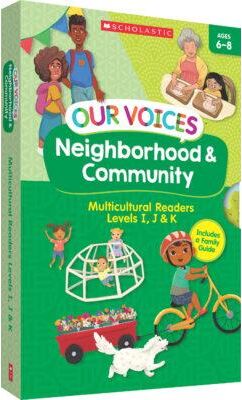
Our Voices: Neighborhood & Community Boxed SetFoster a feeling of belonging while building key reading skills with these colorful storybooks that spotlight a variety of neighborhoods and communities. The 10 charming stories feature characters from different cultural backgrounds who learn about...30,59 $*Shipping: 0,00 $Secure redirect to the provider
-
Jeffree Star Cosmetics Velour Liquid Lipstick liquid lipstick shade Gated Community 5.6 mlJeffree Star Cosmetics Velour Liquid Lipstick, 5.6 ml, Lipsticks for Women, Beautifully accentuated lips never go out of style. The Jeffree Star Cosmetics Velour Liquid Lipstick lipstick envelops the surface of your lips in a continuous layer of irresistible and rich colour, accentuating any makeup look perfectly, whether you’re heading to work, a meeting or a party. It allows you to emphasise your lips while also giving them the shape you want or a fuller look. In just a moment, it will give your lips a gorgeous colour and perfect shape, making them the centre of attention and irresistibly kissable. Characteristics: matte effect long-lasting washes out easily Ingredients: vegan product How to use: Apply lipstick to lips from the centre to the corners using gentle strokes.13,30 £*Shipping: 3,99 £Secure redirect to the provider
-
What does external economic liberalization mean?
External economic liberalization refers to the opening up of a country's economy to international trade and investment. This involves reducing barriers such as tariffs, quotas, and restrictions on foreign ownership, in order to promote economic growth and increase competitiveness. By allowing for greater participation in the global economy, external economic liberalization can lead to increased foreign investment, technology transfer, and access to new markets. However, it can also expose domestic industries to more competition, which may require adjustments and reforms to remain competitive. **
-
What exactly is meant by market liberalization?
Market liberalization refers to the process of reducing government regulations and restrictions on economic activities, particularly in the context of trade and commerce. This typically involves opening up markets to competition, removing barriers to entry for new businesses, and allowing prices to be determined by supply and demand forces. The goal of market liberalization is to promote efficiency, innovation, and economic growth by creating a more competitive and dynamic business environment. **
-
What is the difference between liberalization and deregulation?
Liberalization refers to the opening up of markets to increased competition and reducing barriers to entry for new players. It aims to increase efficiency and innovation in industries by allowing more players to participate. On the other hand, deregulation specifically refers to the removal or reduction of government regulations and controls in a particular industry. While liberalization focuses on increasing competition, deregulation focuses on reducing government intervention and control in an industry. **
-
What does the liberalization of financial markets mean?
The liberalization of financial markets refers to the process of removing restrictions and regulations on the flow of capital and financial transactions. This allows for greater participation of foreign investors, increased competition, and more efficient allocation of resources. Liberalization can lead to increased economic growth, as it allows for easier access to capital and investment opportunities. However, it can also make markets more volatile and susceptible to external shocks. **
Similar search terms for Liberalization
-
HARPERCOLLINS Creative Confidence by Tom & David Kelley – Unleashing Your Creative Potential & Innovation MindsetA powerful and inspiring book from the founders of IDEO, the award-winning design firm, on unleashing the creativity that lies within each and every one of us. Too often, companies and individuals assume that creativity and innovation are the domain of the ‘creative types’. But two of the foremost experts in innovation, design and creativity on the planet show us that each and every one of us is creative. In an entertaining and inspiring narrative that draws on countless stories from their work at IDEO, and with many of the world's top companies and design firms, David and Tom Kelley identify the principles and strategies that will allow us to tap into our creative potential in our work lives, and in our personal lives, allow us to think outside the box in terms of how we approach and solve problems. ‘Creative Confidence’ is a book that will help each of us be more productive and successful in our lives and in our careers.4,95 £*Shipping: 1,99 £Secure redirect to the provider
-
Juicy Couture Wellness MatsMake time in the kitchen more comfortable with the Juicy Couture Wellness Mat. Cushioned anti-fatigue support helps ease pressure during meal prep and cleanup, while the skid-resistant backing helps the mat stay in place.28,99 $*Shipping: 0,00 $Secure redirect to the provider
-
What does the liberalization of securities trading mean?
The liberalization of securities trading refers to the process of removing restrictions and regulations on the buying and selling of securities, such as stocks and bonds. This can include allowing for greater market access, reducing transaction costs, and increasing competition among market participants. Liberalization aims to create a more efficient and transparent market, and can lead to increased investment opportunities and economic growth. However, it also comes with potential risks, such as increased market volatility and the potential for market manipulation. **
-
What exactly is meant by the liberalization of markets?
The liberalization of markets refers to the process of reducing government regulations and restrictions on economic activities, particularly in the areas of trade, investment, and competition. This often involves removing barriers to entry for new businesses, reducing tariffs and quotas on imports and exports, and allowing for more freedom in pricing and production decisions. The goal of market liberalization is to promote economic efficiency, encourage competition, and stimulate growth by allowing market forces to operate more freely. This can lead to increased consumer choice, lower prices, and greater innovation in the economy. **
-
What is the difference between deregulation and liberalization of markets?
Deregulation refers to the removal or reduction of government regulations and restrictions on a particular industry or market. This can lead to increased competition and lower prices for consumers. On the other hand, liberalization involves opening up a market to more competition by allowing new players to enter and operate in that market. This can also lead to increased competition, innovation, and efficiency in the market. In essence, deregulation focuses on removing existing regulations, while liberalization focuses on creating a more open and competitive market environment. **
-
How can one explain globalization in relation to deregulation and liberalization, and what are the social impacts of globalization?
Globalization can be explained in relation to deregulation and liberalization as the process of increasing interconnectedness and interdependence among countries, economies, and cultures. Deregulation refers to the reduction of government control and intervention in the economy, while liberalization refers to the opening up of markets and trade. These policies have facilitated the flow of goods, services, capital, and information across borders, leading to increased economic integration and global interconnectedness. The social impacts of globalization are multifaceted. On one hand, it has led to increased access to goods, services, and information, as well as the spread of ideas and cultures. On the other hand, it has also contributed to widening income inequality, job displacement, and the erosion of local cultures and traditions. Additionally, globalization has led to the exploitation of labor and resources in developing countries, as well as the homogenization of consumer culture. Overall, globalization has both positive and negative social impacts, and its effects vary across different regions and communities. **
* All prices are inclusive of VAT and, if applicable, plus shipping costs. The offer information is based on the details provided by the respective shop and is updated through automated processes. Real-time updates do not occur, so deviations can occur in individual cases. ** Note: Parts of this content were created by AI.