Buy liart.eu ?
We are moving the project
liart.eu .
Are you interested in purchasing the domain
liart.eu ?
domain@kv-gmbh.de · 0541-91531010
Buy liart.eu ?
What are mosses and ferns?
Mosses and ferns are both types of non-flowering plants that reproduce through spores rather than seeds. Mosses are small, simple plants that typically grow in dense green clumps or mats in damp or shady environments. They have no true roots, stems, or leaves, and instead absorb water and nutrients through their thin, thread-like structures. Ferns, on the other hand, are larger and more complex plants with roots, stems, and leaves. They are known for their distinctive fronds and are commonly found in moist, shady areas. Both mosses and ferns play important roles in their ecosystems, providing habitat for other organisms and helping to regulate the environment. **
Why do mosses not have a vacuole?
Mosses do have vacuoles, which are membrane-bound organelles found in the cells of plants and other eukaryotic organisms. Vacuoles play a crucial role in storing nutrients, maintaining turgor pressure, and regulating the pH of the cell. Therefore, vacuoles are essential for the survival and function of mosses, just like in other plant species. **

Similar search terms for Mosses
Top-Angebote
Products related to Mosses:
-
HARPERCOLLINS Creative Confidence by Tom & David Kelley – Unleashing Your Creative Potential & Innovation MindsetA powerful and inspiring book from the founders of IDEO, the award-winning design firm, on unleashing the creativity that lies within each and every one of us. Too often, companies and individuals assume that creativity and innovation are the domain of the ‘creative types’. But two of the foremost experts in innovation, design and creativity on the planet show us that each and every one of us is creative. In an entertaining and inspiring narrative that draws on countless stories from their work at IDEO, and with many of the world's top companies and design firms, David and Tom Kelley identify the principles and strategies that will allow us to tap into our creative potential in our work lives, and in our personal lives, allow us to think outside the box in terms of how we approach and solve problems. ‘Creative Confidence’ is a book that will help each of us be more productive and successful in our lives and in our careers.4,95 £*Shipping: 1,99 £Secure redirect to the provider



-
Why do mosses like sugar and yogurt?
Mosses like sugar and yogurt because they contain nutrients that mosses can use for growth and energy. Sugar provides a source of carbohydrates, which mosses can break down and use as fuel for their metabolic processes. Yogurt contains beneficial bacteria and other microorganisms that can help mosses thrive by providing essential nutrients and promoting a healthy environment for their growth. Overall, sugar and yogurt can provide mosses with the necessary resources to support their survival and development. **
-
What exactly is the generational change in mosses?
Generational change in mosses refers to the alternation of generations between the gametophyte and sporophyte stages in the moss life cycle. The gametophyte stage is the dominant and independent stage, where the moss plant produces gametes (eggs and sperm). When the gametes fuse, they form a zygote that develops into the sporophyte stage, which remains attached to the gametophyte and produces spores through meiosis. These spores then disperse and germinate into new gametophyte plants, completing the cycle. This alternation of generations allows for genetic diversity and adaptation in moss populations. **
-
How do seeds differ from spores, when mosses and ferns are spore-bearing plants?
Seeds are the reproductive structures of seed-bearing plants, while spores are the reproductive structures of spore-bearing plants like mosses and ferns. Seeds are produced within the ovary of a flower and contain an embryo, stored food, and a protective seed coat. Spores, on the other hand, are single-celled reproductive structures that are produced in sporangia and are dispersed by wind or water. In mosses and ferns, spores are released from sporangia and develop into gametophytes, which then produce eggs and sperm for sexual reproduction. **
-
Are algae from freshwater or the sea kosher? What about lichens, ferns, mosses, and sponges?
Algae from freshwater or the sea are generally considered kosher, as they are plant-like organisms that do not have blood or require ritual slaughter. Lichens, ferns, and mosses are also considered kosher, as they are non-flowering plants that do not have the characteristics of non-kosher animals. Sponges, however, are not considered kosher, as they are multicellular animals and do not meet the criteria for kosher consumption. **


What is motion in nature and technology?
Motion in nature refers to the movement of objects or organisms from one place to another. This can include the movement of animals, the flow of water, or the orbit of planets around the sun. In technology, motion refers to the movement of mechanical parts, such as the rotation of gears in a machine or the movement of a robotic arm. Understanding motion in both nature and technology is important for fields such as physics, engineering, and biology, as it allows us to study and manipulate the movement of objects and organisms. **
What is the purpose of nature and technology?
The purpose of nature is to provide the essential resources and environment for life to thrive. It offers beauty, sustenance, and balance to the world. Technology, on the other hand, serves to enhance human capabilities, improve efficiency, and solve problems. It is designed to make life easier, more convenient, and to advance human knowledge and understanding of the world. Both nature and technology play crucial roles in the development and sustainability of human life. **
Top-Angebote
Products related to Mosses:
-
Uplifted Finds The Control Circle Archetype Social Worker Empowerment Canvas Executive Office & Wellness Sanctuary Decor 13 X 18 Cm No Frame"Inaugurate a grounding ""MindfulnessSanctuary"" energy in your environment with our ""Control Circle"" Archetype Canvas. This premium Social Worker and Mental Health professional print is the ultimate designer solution for creating a ""ClinicalModern"" or..."41,97 $*Shipping: 0,00 $Secure redirect to the provider
-
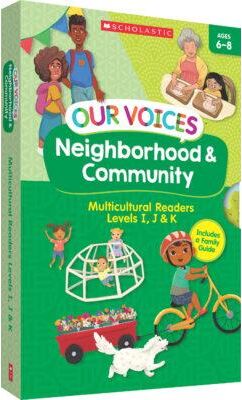
Our Voices: Neighborhood & Community Boxed SetFoster a feeling of belonging while building key reading skills with these colorful storybooks that spotlight a variety of neighborhoods and communities. The 10 charming stories feature characters from different cultural backgrounds who learn about...30,59 $*Shipping: 0,00 $Secure redirect to the provider
-
HARPERCOLLINS Creative Confidence by Tom & David Kelley – Unleashing Your Creative Potential & Innovation MindsetA powerful and inspiring book from the founders of IDEO, the award-winning design firm, on unleashing the creativity that lies within each and every one of us. Too often, companies and individuals assume that creativity and innovation are the domain of the ‘creative types’. But two of the foremost experts in innovation, design and creativity on the planet show us that each and every one of us is creative. In an entertaining and inspiring narrative that draws on countless stories from their work at IDEO, and with many of the world's top companies and design firms, David and Tom Kelley identify the principles and strategies that will allow us to tap into our creative potential in our work lives, and in our personal lives, allow us to think outside the box in terms of how we approach and solve problems. ‘Creative Confidence’ is a book that will help each of us be more productive and successful in our lives and in our careers.4,95 £*Shipping: 1,99 £Secure redirect to the provider
-
What are mosses and ferns?
Mosses and ferns are both types of non-flowering plants that reproduce through spores rather than seeds. Mosses are small, simple plants that typically grow in dense green clumps or mats in damp or shady environments. They have no true roots, stems, or leaves, and instead absorb water and nutrients through their thin, thread-like structures. Ferns, on the other hand, are larger and more complex plants with roots, stems, and leaves. They are known for their distinctive fronds and are commonly found in moist, shady areas. Both mosses and ferns play important roles in their ecosystems, providing habitat for other organisms and helping to regulate the environment. **
-
Why do mosses not have a vacuole?
Mosses do have vacuoles, which are membrane-bound organelles found in the cells of plants and other eukaryotic organisms. Vacuoles play a crucial role in storing nutrients, maintaining turgor pressure, and regulating the pH of the cell. Therefore, vacuoles are essential for the survival and function of mosses, just like in other plant species. **
-
Why do mosses like sugar and yogurt?
Mosses like sugar and yogurt because they contain nutrients that mosses can use for growth and energy. Sugar provides a source of carbohydrates, which mosses can break down and use as fuel for their metabolic processes. Yogurt contains beneficial bacteria and other microorganisms that can help mosses thrive by providing essential nutrients and promoting a healthy environment for their growth. Overall, sugar and yogurt can provide mosses with the necessary resources to support their survival and development. **
-
What exactly is the generational change in mosses?
Generational change in mosses refers to the alternation of generations between the gametophyte and sporophyte stages in the moss life cycle. The gametophyte stage is the dominant and independent stage, where the moss plant produces gametes (eggs and sperm). When the gametes fuse, they form a zygote that develops into the sporophyte stage, which remains attached to the gametophyte and produces spores through meiosis. These spores then disperse and germinate into new gametophyte plants, completing the cycle. This alternation of generations allows for genetic diversity and adaptation in moss populations. **
Similar search terms for Mosses
-
The Picturepedia Box 10 Books Collection Set by DK – Science, Nature & Educational Discovery Collection for KidsTitles in this set: The Picturepedia Box Science Protons to Planets Science Technology to Trains Nature Fossils To Flowers Nature Fish to Birds Nature Horses to Habitats Geography Coastlines to Climate Culture Art to Achitecture Culture Sports to Hobbies History Villages to Empires History Explorations to Espionage19,95 £*Shipping: 2,99 £Secure redirect to the provider
-
GlowBake Astarexin Earthing Fitted Sheet, Organic Cotton Grounding Bed Sheet With Conductive Silver Fiber For Nature Wellness grey queen Size us PlugExperience Natural Wellness with the Astarexin Earthing Fitted SheetTired of restless nights and constant fatigue The Astarexin Earthing Fitted Sheet is designed to reconnect you with Earths natural energy, promoting deeper sleep, reduced stress,...150,97 $*Shipping: 0,00 $Secure redirect to the provider
-
How do seeds differ from spores, when mosses and ferns are spore-bearing plants?
Seeds are the reproductive structures of seed-bearing plants, while spores are the reproductive structures of spore-bearing plants like mosses and ferns. Seeds are produced within the ovary of a flower and contain an embryo, stored food, and a protective seed coat. Spores, on the other hand, are single-celled reproductive structures that are produced in sporangia and are dispersed by wind or water. In mosses and ferns, spores are released from sporangia and develop into gametophytes, which then produce eggs and sperm for sexual reproduction. **
-
Are algae from freshwater or the sea kosher? What about lichens, ferns, mosses, and sponges?
Algae from freshwater or the sea are generally considered kosher, as they are plant-like organisms that do not have blood or require ritual slaughter. Lichens, ferns, and mosses are also considered kosher, as they are non-flowering plants that do not have the characteristics of non-kosher animals. Sponges, however, are not considered kosher, as they are multicellular animals and do not meet the criteria for kosher consumption. **
-
What is motion in nature and technology?
Motion in nature refers to the movement of objects or organisms from one place to another. This can include the movement of animals, the flow of water, or the orbit of planets around the sun. In technology, motion refers to the movement of mechanical parts, such as the rotation of gears in a machine or the movement of a robotic arm. Understanding motion in both nature and technology is important for fields such as physics, engineering, and biology, as it allows us to study and manipulate the movement of objects and organisms. **
-
What is the purpose of nature and technology?
The purpose of nature is to provide the essential resources and environment for life to thrive. It offers beauty, sustenance, and balance to the world. Technology, on the other hand, serves to enhance human capabilities, improve efficiency, and solve problems. It is designed to make life easier, more convenient, and to advance human knowledge and understanding of the world. Both nature and technology play crucial roles in the development and sustainability of human life. **
* All prices are inclusive of VAT and, if applicable, plus shipping costs. The offer information is based on the details provided by the respective shop and is updated through automated processes. Real-time updates do not occur, so deviations can occur in individual cases. ** Note: Parts of this content were created by AI.