Buy liart.eu ?
We are moving the project
liart.eu .
Are you interested in purchasing the domain
liart.eu ?
domain@kv-gmbh.de · 0541-91531010
Buy liart.eu ?
What is the Socratic question?
The Socratic question is a method of philosophical inquiry attributed to the ancient Greek philosopher Socrates. It involves asking probing questions to stimulate critical thinking, challenge assumptions, and uncover underlying beliefs or knowledge. The goal of the Socratic question is to encourage self-examination and deeper understanding of a topic or issue through a process of dialogue and inquiry. **
What is a Socratic dialogue?
A Socratic dialogue is a method of philosophical inquiry developed by the ancient Greek philosopher Socrates. It involves a conversation between two or more individuals, typically with Socrates as the main interlocutor, in which they engage in a series of questions and answers to explore and clarify their understanding of a particular topic or concept. The dialogue is aimed at uncovering underlying assumptions, challenging beliefs, and arriving at a deeper understanding of the subject matter through critical thinking and self-examination. Socratic dialogues are characterized by their open-ended and exploratory nature, as well as their emphasis on the pursuit of truth and wisdom through rational inquiry. **

Similar search terms for Socratic
Top-Angebote
Products related to Socratic:
-
HARPERCOLLINS Creative Confidence by Tom & David Kelley – Unleashing Your Creative Potential & Innovation MindsetA powerful and inspiring book from the founders of IDEO, the award-winning design firm, on unleashing the creativity that lies within each and every one of us. Too often, companies and individuals assume that creativity and innovation are the domain of the ‘creative types’. But two of the foremost experts in innovation, design and creativity on the planet show us that each and every one of us is creative. In an entertaining and inspiring narrative that draws on countless stories from their work at IDEO, and with many of the world's top companies and design firms, David and Tom Kelley identify the principles and strategies that will allow us to tap into our creative potential in our work lives, and in our personal lives, allow us to think outside the box in terms of how we approach and solve problems. ‘Creative Confidence’ is a book that will help each of us be more productive and successful in our lives and in our careers.4,95 £*Shipping: 1,99 £Secure redirect to the provider
-
The Picturepedia Box 10 Books Collection Set by DK – Science, Nature & Educational Discovery Collection for KidsTitles in this set: The Picturepedia Box Science Protons to Planets Science Technology to Trains Nature Fossils To Flowers Nature Fish to Birds Nature Horses to Habitats Geography Coastlines to Climate Culture Art to Achitecture Culture Sports to Hobbies History Villages to Empires History Explorations to Espionage19,95 £*Shipping: 2,99 £Secure redirect to the provider




-
What is the Socratic method of elenchus?
The Socratic method of elenchus is a form of cooperative argumentative dialogue between individuals, based on asking and answering questions to stimulate critical thinking and to draw out ideas and underlying presumptions. It is named after the classical Greek philosopher Socrates, who used this method to help others discover their own beliefs and understand the flaws in their reasoning. Through a series of probing questions, the Socratic method aims to uncover contradictions and inconsistencies in one's beliefs, leading to a deeper understanding and potential revision of those beliefs. **
-
What is the Socratic turn? Please help.
The Socratic turn refers to the shift in philosophical inquiry initiated by the ancient Greek philosopher Socrates. This shift involved a move away from seeking absolute truths and instead focused on questioning and examining beliefs and assumptions. Socrates' method of inquiry, known as the Socratic method, involved engaging in dialogue with others to uncover contradictions and inconsistencies in their beliefs, ultimately leading to a deeper understanding of the subject at hand. The Socratic turn has had a lasting impact on philosophy and continues to influence critical thinking and intellectual inquiry. **
-
Can you provide an explanation of Socratic reasoning?
Socratic reasoning, also known as the Socratic method, is a form of cooperative argumentative dialogue between individuals, based on asking and answering questions to stimulate critical thinking and illuminate ideas. It involves a series of questions and answers that help uncover underlying assumptions, challenge beliefs, and arrive at a deeper understanding of a topic. Socratic reasoning aims to promote self-discovery and intellectual growth by encouraging individuals to examine their own thoughts and beliefs through a process of inquiry and discussion. This method is often used in educational settings to foster active learning and develop analytical skills. **
-
Is the Socratic dialogue a non-coercive dialogue?
Yes, the Socratic dialogue is a non-coercive dialogue. Socrates believed in the power of rational discussion and persuasion, rather than force or coercion, to arrive at truth and understanding. In the Socratic method, participants engage in open and respectful dialogue, questioning and challenging each other's ideas in a collaborative pursuit of knowledge. This approach emphasizes the importance of free inquiry and critical thinking, making it a non-coercive form of dialogue. **


What are the steps of the Socratic method?
The Socratic method involves a series of steps to stimulate critical thinking and uncover underlying assumptions. The first step is to ask a question related to a specific topic. Then, the respondent provides an initial answer. Next, the questioner probes further with more questions to challenge the respondent's assumptions and encourage deeper reflection. This process continues until a more refined understanding or conclusion is reached. **
Does dialectics correspond to the Socratic method of maieutics?
Dialectics and the Socratic method of maieutics share some similarities, as both involve a process of questioning and dialogue to arrive at a deeper understanding of a topic. However, dialectics typically involves a more structured and systematic approach to examining opposing viewpoints and resolving contradictions, while maieutics focuses on helping individuals discover their own beliefs and knowledge through a series of probing questions. In essence, dialectics aims to uncover the truth through logical reasoning and argumentation, while maieutics aims to bring forth latent knowledge through self-reflection and inquiry. **
Top-Angebote
Products related to Socratic:
-
Uplifted Finds The Control Circle Archetype Social Worker Empowerment Canvas Executive Office & Wellness Sanctuary Decor 13 X 18 Cm No Frame"Inaugurate a grounding ""MindfulnessSanctuary"" energy in your environment with our ""Control Circle"" Archetype Canvas. This premium Social Worker and Mental Health professional print is the ultimate designer solution for creating a ""ClinicalModern"" or..."41,97 $*Shipping: 0,00 $Secure redirect to the provider
-
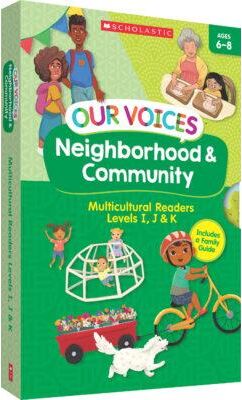
Our Voices: Neighborhood & Community Boxed SetFoster a feeling of belonging while building key reading skills with these colorful storybooks that spotlight a variety of neighborhoods and communities. The 10 charming stories feature characters from different cultural backgrounds who learn about...30,59 $*Shipping: 0,00 $Secure redirect to the provider
-
HARPERCOLLINS Creative Confidence by Tom & David Kelley – Unleashing Your Creative Potential & Innovation MindsetA powerful and inspiring book from the founders of IDEO, the award-winning design firm, on unleashing the creativity that lies within each and every one of us. Too often, companies and individuals assume that creativity and innovation are the domain of the ‘creative types’. But two of the foremost experts in innovation, design and creativity on the planet show us that each and every one of us is creative. In an entertaining and inspiring narrative that draws on countless stories from their work at IDEO, and with many of the world's top companies and design firms, David and Tom Kelley identify the principles and strategies that will allow us to tap into our creative potential in our work lives, and in our personal lives, allow us to think outside the box in terms of how we approach and solve problems. ‘Creative Confidence’ is a book that will help each of us be more productive and successful in our lives and in our careers.4,95 £*Shipping: 1,99 £Secure redirect to the provider
-
What is the Socratic question?
The Socratic question is a method of philosophical inquiry attributed to the ancient Greek philosopher Socrates. It involves asking probing questions to stimulate critical thinking, challenge assumptions, and uncover underlying beliefs or knowledge. The goal of the Socratic question is to encourage self-examination and deeper understanding of a topic or issue through a process of dialogue and inquiry. **
-
What is a Socratic dialogue?
A Socratic dialogue is a method of philosophical inquiry developed by the ancient Greek philosopher Socrates. It involves a conversation between two or more individuals, typically with Socrates as the main interlocutor, in which they engage in a series of questions and answers to explore and clarify their understanding of a particular topic or concept. The dialogue is aimed at uncovering underlying assumptions, challenging beliefs, and arriving at a deeper understanding of the subject matter through critical thinking and self-examination. Socratic dialogues are characterized by their open-ended and exploratory nature, as well as their emphasis on the pursuit of truth and wisdom through rational inquiry. **
-
What is the Socratic method of elenchus?
The Socratic method of elenchus is a form of cooperative argumentative dialogue between individuals, based on asking and answering questions to stimulate critical thinking and to draw out ideas and underlying presumptions. It is named after the classical Greek philosopher Socrates, who used this method to help others discover their own beliefs and understand the flaws in their reasoning. Through a series of probing questions, the Socratic method aims to uncover contradictions and inconsistencies in one's beliefs, leading to a deeper understanding and potential revision of those beliefs. **
-
What is the Socratic turn? Please help.
The Socratic turn refers to the shift in philosophical inquiry initiated by the ancient Greek philosopher Socrates. This shift involved a move away from seeking absolute truths and instead focused on questioning and examining beliefs and assumptions. Socrates' method of inquiry, known as the Socratic method, involved engaging in dialogue with others to uncover contradictions and inconsistencies in their beliefs, ultimately leading to a deeper understanding of the subject at hand. The Socratic turn has had a lasting impact on philosophy and continues to influence critical thinking and intellectual inquiry. **
Similar search terms for Socratic
-
The Picturepedia Box 10 Books Collection Set by DK – Science, Nature & Educational Discovery Collection for KidsTitles in this set: The Picturepedia Box Science Protons to Planets Science Technology to Trains Nature Fossils To Flowers Nature Fish to Birds Nature Horses to Habitats Geography Coastlines to Climate Culture Art to Achitecture Culture Sports to Hobbies History Villages to Empires History Explorations to Espionage19,95 £*Shipping: 2,99 £Secure redirect to the provider
-
GlowBake Astarexin Earthing Fitted Sheet, Organic Cotton Grounding Bed Sheet With Conductive Silver Fiber For Nature Wellness white king Size us PlugExperience Natural Wellness with the Astarexin Earthing Fitted SheetTired of restless nights and constant fatigue The Astarexin Earthing Fitted Sheet is designed to reconnect you with Earths natural energy, promoting deeper sleep, reduced stress,...150,97 $*Shipping: 0,00 $Secure redirect to the provider
-
Can you provide an explanation of Socratic reasoning?
Socratic reasoning, also known as the Socratic method, is a form of cooperative argumentative dialogue between individuals, based on asking and answering questions to stimulate critical thinking and illuminate ideas. It involves a series of questions and answers that help uncover underlying assumptions, challenge beliefs, and arrive at a deeper understanding of a topic. Socratic reasoning aims to promote self-discovery and intellectual growth by encouraging individuals to examine their own thoughts and beliefs through a process of inquiry and discussion. This method is often used in educational settings to foster active learning and develop analytical skills. **
-
Is the Socratic dialogue a non-coercive dialogue?
Yes, the Socratic dialogue is a non-coercive dialogue. Socrates believed in the power of rational discussion and persuasion, rather than force or coercion, to arrive at truth and understanding. In the Socratic method, participants engage in open and respectful dialogue, questioning and challenging each other's ideas in a collaborative pursuit of knowledge. This approach emphasizes the importance of free inquiry and critical thinking, making it a non-coercive form of dialogue. **
-
What are the steps of the Socratic method?
The Socratic method involves a series of steps to stimulate critical thinking and uncover underlying assumptions. The first step is to ask a question related to a specific topic. Then, the respondent provides an initial answer. Next, the questioner probes further with more questions to challenge the respondent's assumptions and encourage deeper reflection. This process continues until a more refined understanding or conclusion is reached. **
-
Does dialectics correspond to the Socratic method of maieutics?
Dialectics and the Socratic method of maieutics share some similarities, as both involve a process of questioning and dialogue to arrive at a deeper understanding of a topic. However, dialectics typically involves a more structured and systematic approach to examining opposing viewpoints and resolving contradictions, while maieutics focuses on helping individuals discover their own beliefs and knowledge through a series of probing questions. In essence, dialectics aims to uncover the truth through logical reasoning and argumentation, while maieutics aims to bring forth latent knowledge through self-reflection and inquiry. **
* All prices are inclusive of VAT and, if applicable, plus shipping costs. The offer information is based on the details provided by the respective shop and is updated through automated processes. Real-time updates do not occur, so deviations can occur in individual cases. ** Note: Parts of this content were created by AI.