Buy liart.eu ?
We are moving the project
liart.eu .
Are you interested in purchasing the domain
liart.eu ?
domain@kv-gmbh.de · 0541-91531010
Buy liart.eu ?
What is subduction?
Subduction is a geological process where one tectonic plate moves beneath another plate at a convergent boundary. This process occurs when one plate is denser than the other, causing it to sink into the mantle. Subduction zones are known for their intense seismic activity and volcanic eruptions due to the melting of the descending plate. Subduction plays a crucial role in the recycling of Earth's crust and the formation of mountain ranges and ocean trenches. **
Can you explain subduction?
Subduction is the process by which one tectonic plate is forced beneath another plate into the Earth's mantle. This occurs at convergent plate boundaries, where two plates move towards each other. The denser oceanic plate is usually the one that subducts beneath the less dense continental plate. As the subducting plate sinks into the mantle, it can cause volcanic activity and the formation of mountain ranges on the overriding plate. Subduction is a key process in the theory of plate tectonics and is responsible for the formation of many geological features on Earth. **


Similar search terms for Subduction
Top-Angebote
Products related to Subduction:
-
HARPERCOLLINS Creative Confidence by Tom & David Kelley – Unleashing Your Creative Potential & Innovation MindsetA powerful and inspiring book from the founders of IDEO, the award-winning design firm, on unleashing the creativity that lies within each and every one of us. Too often, companies and individuals assume that creativity and innovation are the domain of the ‘creative types’. But two of the foremost experts in innovation, design and creativity on the planet show us that each and every one of us is creative. In an entertaining and inspiring narrative that draws on countless stories from their work at IDEO, and with many of the world's top companies and design firms, David and Tom Kelley identify the principles and strategies that will allow us to tap into our creative potential in our work lives, and in our personal lives, allow us to think outside the box in terms of how we approach and solve problems. ‘Creative Confidence’ is a book that will help each of us be more productive and successful in our lives and in our careers.4,95 £*Shipping: 1,99 £Secure redirect to the provider
-
The Picturepedia Box 10 Books Collection Set by DK – Science, Nature & Educational Discovery Collection for KidsTitles in this set: The Picturepedia Box Science Protons to Planets Science Technology to Trains Nature Fossils To Flowers Nature Fish to Birds Nature Horses to Habitats Geography Coastlines to Climate Culture Art to Achitecture Culture Sports to Hobbies History Villages to Empires History Explorations to Espionage19,95 £*Shipping: 2,99 £Secure redirect to the provider


-
What is a subduction zone?
A subduction zone is a region where one tectonic plate is being forced beneath another plate. This process occurs at convergent plate boundaries, where two plates collide. As the descending plate moves deeper into the Earth's mantle, it can cause earthquakes, volcanic activity, and the formation of mountain ranges. Subduction zones are important geologically as they play a key role in the recycling of Earth's crust and the formation of new crust. **
-
"Which mountains were formed by subduction?"
The Andes Mountains were formed by subduction. This process occurred as the oceanic Nazca Plate was forced beneath the South American Plate, leading to the formation of the Andes through volcanic activity and uplift. The subduction of the Nazca Plate beneath the South American Plate continues to contribute to the growth of the Andes Mountains. **
-
What is the difference between collision and subduction?
Collision occurs when two tectonic plates move towards each other and collide, resulting in the formation of mountain ranges and earthquakes. Subduction, on the other hand, occurs when one tectonic plate is forced beneath another plate, typically at a convergent boundary. This process can lead to the formation of deep ocean trenches, volcanic arcs, and earthquakes. In summary, collision involves the direct impact of two plates, while subduction involves one plate being forced beneath another. **
-
What is the model of plate tectonics and what does subduction mean?
The model of plate tectonics explains the movement of the Earth's lithosphere, which is divided into several large and small plates that float on the semi-fluid asthenosphere beneath them. These plates interact at their boundaries, where they can move apart (divergent boundaries), collide (convergent boundaries), or slide past each other (transform boundaries). Subduction is a geological process that occurs at convergent boundaries when one tectonic plate is forced beneath another into the mantle. This process is responsible for the formation of deep ocean trenches, volcanic arcs, and earthquakes. **
What is the difference between the volcanoes of the mid-ocean ridge and the subduction zone?
The volcanoes of the mid-ocean ridge are formed by the upwelling of magma from the mantle at divergent plate boundaries, where tectonic plates are moving away from each other. These volcanoes are typically characterized by gentle slopes and frequent eruptions of basaltic lava. In contrast, the volcanoes of the subduction zone are formed at convergent plate boundaries, where one tectonic plate is forced beneath another. These volcanoes are often explosive and can produce a variety of lava types, including andesitic and rhyolitic. Additionally, subduction zone volcanoes are often associated with volcanic arcs and can be located on land or underwater. **
What is motion in nature and technology?
Motion in nature refers to the movement of objects or organisms from one place to another. This can include the movement of animals, the flow of water, or the orbit of planets around the sun. In technology, motion refers to the movement of mechanical parts, such as the rotation of gears in a machine or the movement of a robotic arm. Understanding motion in both nature and technology is important for fields such as physics, engineering, and biology, as it allows us to study and manipulate the movement of objects and organisms. **
Top-Angebote
Products related to Subduction:
-
Uplifted Finds The Control Circle Archetype Social Worker Empowerment Canvas Executive Office & Wellness Sanctuary Decor 13 X 18 Cm No Frame"Inaugurate a grounding ""MindfulnessSanctuary"" energy in your environment with our ""Control Circle"" Archetype Canvas. This premium Social Worker and Mental Health professional print is the ultimate designer solution for creating a ""ClinicalModern"" or..."41,97 $*Shipping: 0,00 $Secure redirect to the provider
-
Our Voices: Neighborhood & Community Boxed SetFoster a feeling of belonging while building key reading skills with these colorful storybooks that spotlight a variety of neighborhoods and communities. The 10 charming stories feature characters from different cultural backgrounds who learn about...30,59 $*Shipping: 0,00 $Secure redirect to the provider
-
HARPERCOLLINS Creative Confidence by Tom & David Kelley – Unleashing Your Creative Potential & Innovation MindsetA powerful and inspiring book from the founders of IDEO, the award-winning design firm, on unleashing the creativity that lies within each and every one of us. Too often, companies and individuals assume that creativity and innovation are the domain of the ‘creative types’. But two of the foremost experts in innovation, design and creativity on the planet show us that each and every one of us is creative. In an entertaining and inspiring narrative that draws on countless stories from their work at IDEO, and with many of the world's top companies and design firms, David and Tom Kelley identify the principles and strategies that will allow us to tap into our creative potential in our work lives, and in our personal lives, allow us to think outside the box in terms of how we approach and solve problems. ‘Creative Confidence’ is a book that will help each of us be more productive and successful in our lives and in our careers.4,95 £*Shipping: 1,99 £Secure redirect to the provider
-
What is subduction?
Subduction is a geological process where one tectonic plate moves beneath another plate at a convergent boundary. This process occurs when one plate is denser than the other, causing it to sink into the mantle. Subduction zones are known for their intense seismic activity and volcanic eruptions due to the melting of the descending plate. Subduction plays a crucial role in the recycling of Earth's crust and the formation of mountain ranges and ocean trenches. **
-
Can you explain subduction?
Subduction is the process by which one tectonic plate is forced beneath another plate into the Earth's mantle. This occurs at convergent plate boundaries, where two plates move towards each other. The denser oceanic plate is usually the one that subducts beneath the less dense continental plate. As the subducting plate sinks into the mantle, it can cause volcanic activity and the formation of mountain ranges on the overriding plate. Subduction is a key process in the theory of plate tectonics and is responsible for the formation of many geological features on Earth. **
-
What is a subduction zone?
A subduction zone is a region where one tectonic plate is being forced beneath another plate. This process occurs at convergent plate boundaries, where two plates collide. As the descending plate moves deeper into the Earth's mantle, it can cause earthquakes, volcanic activity, and the formation of mountain ranges. Subduction zones are important geologically as they play a key role in the recycling of Earth's crust and the formation of new crust. **
-
"Which mountains were formed by subduction?"
The Andes Mountains were formed by subduction. This process occurred as the oceanic Nazca Plate was forced beneath the South American Plate, leading to the formation of the Andes through volcanic activity and uplift. The subduction of the Nazca Plate beneath the South American Plate continues to contribute to the growth of the Andes Mountains. **
Similar search terms for Subduction
-
The Picturepedia Box 10 Books Collection Set by DK – Science, Nature & Educational Discovery Collection for KidsTitles in this set: The Picturepedia Box Science Protons to Planets Science Technology to Trains Nature Fossils To Flowers Nature Fish to Birds Nature Horses to Habitats Geography Coastlines to Climate Culture Art to Achitecture Culture Sports to Hobbies History Villages to Empires History Explorations to Espionage19,95 £*Shipping: 2,99 £Secure redirect to the provider
-
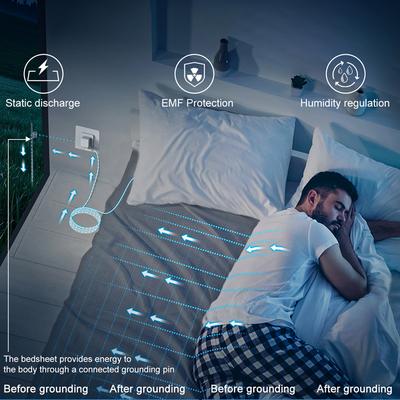
GlowBake Astarexin Earthing Fitted Sheet, Organic Cotton Grounding Bed Sheet With Conductive Silver Fiber For Nature Wellness white king Size us PlugExperience Natural Wellness with the Astarexin Earthing Fitted SheetTired of restless nights and constant fatigue The Astarexin Earthing Fitted Sheet is designed to reconnect you with Earths natural energy, promoting deeper sleep, reduced stress,...150,97 $*Shipping: 0,00 $Secure redirect to the provider
-
What is the difference between collision and subduction?
Collision occurs when two tectonic plates move towards each other and collide, resulting in the formation of mountain ranges and earthquakes. Subduction, on the other hand, occurs when one tectonic plate is forced beneath another plate, typically at a convergent boundary. This process can lead to the formation of deep ocean trenches, volcanic arcs, and earthquakes. In summary, collision involves the direct impact of two plates, while subduction involves one plate being forced beneath another. **
-
What is the model of plate tectonics and what does subduction mean?
The model of plate tectonics explains the movement of the Earth's lithosphere, which is divided into several large and small plates that float on the semi-fluid asthenosphere beneath them. These plates interact at their boundaries, where they can move apart (divergent boundaries), collide (convergent boundaries), or slide past each other (transform boundaries). Subduction is a geological process that occurs at convergent boundaries when one tectonic plate is forced beneath another into the mantle. This process is responsible for the formation of deep ocean trenches, volcanic arcs, and earthquakes. **
-
What is the difference between the volcanoes of the mid-ocean ridge and the subduction zone?
The volcanoes of the mid-ocean ridge are formed by the upwelling of magma from the mantle at divergent plate boundaries, where tectonic plates are moving away from each other. These volcanoes are typically characterized by gentle slopes and frequent eruptions of basaltic lava. In contrast, the volcanoes of the subduction zone are formed at convergent plate boundaries, where one tectonic plate is forced beneath another. These volcanoes are often explosive and can produce a variety of lava types, including andesitic and rhyolitic. Additionally, subduction zone volcanoes are often associated with volcanic arcs and can be located on land or underwater. **
-
What is motion in nature and technology?
Motion in nature refers to the movement of objects or organisms from one place to another. This can include the movement of animals, the flow of water, or the orbit of planets around the sun. In technology, motion refers to the movement of mechanical parts, such as the rotation of gears in a machine or the movement of a robotic arm. Understanding motion in both nature and technology is important for fields such as physics, engineering, and biology, as it allows us to study and manipulate the movement of objects and organisms. **
* All prices are inclusive of VAT and, if applicable, plus shipping costs. The offer information is based on the details provided by the respective shop and is updated through automated processes. Real-time updates do not occur, so deviations can occur in individual cases. ** Note: Parts of this content were created by AI.